Seamless Service Suite

Seamlessly integrate customer service,
field service and SAP processes

What is the Seamless Service Suite?

Your customers expect quick solutions—not hand-offs between departments. The proaxia Seamless Service Suite is a modular, SAP-based solution that integrates customer self-service, sales, customer service, field service, and back-office operations into a seamless service process—from the initial inquiry through scheduling and mobile execution to billing.

To achieve this, proaxia combines SAP solutions with its own applications for customer portals, process integration, and material planning. Interconnected information, integrated workflows, and targeted AI support ensure that your teams collaborate efficiently and that customers receive optimal service at all times. This allows you to reduce manual work, accelerate service processes, and sustainably improve customer satisfaction.

Flexible and modular: You decide where to start. Together, we’ll select the right solution components and integrate them with your existing SAP landscape. This allows you to develop your service business step by step.

Your Business Benefits with the Seamless Service Suite

Resolve customer issues more quickly

Customer information, past interactions, and the current service case are all interconnected. Your employees don’t have to gather information from scratch every time there’s a handoff and can focus more quickly on the actual solution.

Relieve Teams of Manual Work

Integrate customer inquiries, order processing, and feedback across system boundaries. Information entered once can be reused in the designated follow-up processes. This reduces duplicate data entry and time-consuming follow-up work.

Prepare for Assignments More Effectively

Coordinate qualifications, schedules, and material requirements before the job. With the right specialists, information, and components, you’ll be better equipped to solve customer problems on the very first visit.

Manage Your Service Business More Profitably

Link services to costs, revenue, and billing. This business integration helps assess the profitability of orders and contracts and enables you to more effectively leverage opportunities for optimization in the service business.

Ensure transparency throughout the entire process

From an open customer request to a completed assignment: Consistent status updates and feedback facilitate coordination between customer service, scheduling, and back-office teams. Your teams can more quickly identify the next necessary step.

Strengthening Customer Loyalty and Service Potential

Digital communication channels, transparent services, and a shared perspective on customer relationships make it easier to provide ongoing support. This allows you to better understand service needs and offer additional services in a more targeted manner.

The Components of the Seamless Service Suite

The strength of Seamless Service lies in the synergy between its solutions. Each component performs a specific task—together, they integrate customer interaction, operational execution, and processing in the SAP backend.

proaxia FSA Cloud Connector

Link SAP orders, resource planning, and confirmation entries.

The proaxia FSA Cloud Connector, or PCC for short, integrates SAP Field Service and Asset Management with SAP ECC, as well as SAP S/4HANA On-Premise and Private Edition. Orders, appointments, assignments, and confirmations remain linked to the associated processes. As a result, PCC not only supports data exchange but also the further processing of time entries, materials, and work results in the backend.

proaxia Field Service Component Manager

Include material requirements directly in the planning process.

With the Field Service Component Manager (FCM), dispatchers manage the required materials and components directly in the SAP FSA planning and scheduling dashboard. No additional SAP backend knowledge is required. In the supported CS and PM scenarios, changes are synchronized via PCC. This brings material planning, technician assignment, and order processing closer together.

proaxia Customer Service Suite

Actively involve your customers in the service process.

The Customer Service Suite, or CSS for short, provides digital access to service requests, equipment information, appointments, and documents. For example, customers can submit requests, view quotes, and access service reports. Depending on the modules used, information on contracts, maintenance, and invoices is also available. The integration with your SAP processes links self-service with further processing.

SAP S/4HANA Service

Consolidate commercial and operational services.

SAP S/4HANA Service integrates service offerings, contracts, orders, service confirmations, and billing. Integration with Materials Management, Procurement, and Financial Accounting establishes the link between services rendered and financial results. For more complex tasks, commercial service processing can be integrated with technical planning and execution in maintenance management.

SAP Service Cloud

Record and process customer inquiries in a structured manner.

The SAP Service Cloud integrates customer communication, case management, and relevant customer information. Your service teams gain a shared workspace where they can prioritize inquiries, leverage knowledge, and take the next steps. AI features can, for example, assist with categorization, summarizing interactions, and preparing responses.

SAP Sales Cloud

Integrate sales and service throughout the customer relationship.

The SAP Sales Cloud supports the structured management of customers, contacts, leads, and sales opportunities. As part of our Seamless Service approach, we integrate this sales perspective into our service processes: What services does a customer need? Where do additional opportunities arise? And how can insights gained from customer interactions be leveraged for further customer development?

SAP Field Service & Asset Management

Align demand, capacity, and mobile implementation.

SAP Field Service and Asset Management, or SAP FSA for short, combines demand and capacity planning with scheduling, resource allocation, and execution. FSA Mobile delivers work orders, asset information, and guided work steps to your technicians. Smartforms, checklists, and mobile confirmations support service calls, maintenance, and longer installations—even when an internet connection is temporarily unavailable.

SAP Business AI

Integrate intelligent support into business processes.

SAP Business AI enhances SAP applications with AI capabilities for information processing, automation, and decision support. Together, we’ll assess which features and Joule offerings best support your service teams and where additional enhancements are needed. Key factors include your use case, the available data, and the specific scope of licensed features.

Your Customer Journey with Seamless Service

From the initial inquiry to the next service opportunity

The following customer journey illustrates a possible end-to-end process. Which components are used and how the handoffs work depend on your SAP landscape and your service offerings.

Customer contacts, existing relationships, and sales opportunities form the foundation. With the SAP Sales Cloud, you can structure your sales support and document the requirements and opportunities that are relevant to the customer. This establishes the foundation for the ongoing service relationship.  

Your customer submits a request through the customer portal or a connected communication channel. The SAP Service Cloud supports the handling of the request by providing customer and case information. The team assesses the customer’s needs, draws on available knowledge, and determines whether a direct solution or a further service process is required.

The required scope of services is incorporated into a quote or a service order. SAP S/4HANA Service forms the business foundation. Using the relevant CSS modules, the customer can view and confirm quotes or request adjustments. This ensures that the scope of services and the customer’s decision remain linked.

SAP FSA supports planning based on qualifications, availability, and priorities. FCM complements material planning within the MRP process. Digital scheduling coordination via CSS involves the customer and links their feedback to operational resource planning.

Technicians receive the necessary order and equipment information on their mobile devices. They follow guided work steps and record time, materials, expenses, and the agreed-upon results. FSA Mobile also supports offline work; once the connection is restored, the data is synchronized.

In the Time and Material Journal, the back office reviews the entries that have been recorded. It can approve them, reject them, or return them for correction. Technicians make the necessary adjustments and resubmit them. Further processing does not take place until the entries have been approved as required.

If corrections are needed: Entry → Review → Request for Corrections → Revision → Resubmission and Review → Approval → Further Processing.

Approved services are processed and billed through the designated SAP process. Customers can use CSS to view the service reports, invoices, and other documents provided. This ensures that the service remains traceable even after the assignment is complete.

Operational data and feedback can be used to identify opportunities for improvement in planning, resource allocation, and service quality. Together, we define the relevant metrics and use the results to address recurring issues and unnecessary effort in a more targeted manner.

AI in the Seamless Service Suite
Less Routine, More Impact

AI provides tangible value only when it is linked to the right data and business processes. A summary is helpful to customer service only if it takes the relevant case context into account. A recommended course of action becomes effective only when the next step in the process can actually be carried out.

With proaxia AI , we integrate SAP Business AI, assistant functions, and custom extensions with your service organization—from use case evaluation through implementation and ongoing optimization.

Customer Service: Capture and Use Information More Quickly

AI features in the SAP Service Cloud can categorize service cases, summarize interactions, and generate context-sensitive response templates. Employees can get an overview more quickly and focus on resolving the customer’s issue. Which features are enabled depends on your solution, configuration, and licensing.

From our expert blog: Using six use cases, we’ll show how AI supports help desks, technical support, and service back offices in their day-to-day operations.


Field Sales: Learning from Deviations in a Targeted Way

Why did a job take longer than planned? Why was additional material needed? An AI prototype developed by proaxia analyzes such deviations and asks technicians specific follow-up questions instead of a general questionnaire.

The information gathered can help improve time estimates, material planning, and future operations. This approach combines SAP FSA with AI capabilities on SAP BTP.

From our expert blog: Learn how context-based technician feedback lays the foundation for a learning service organization. The post describes a prototype and its development prospects.

AI Agents: Preparing the Next Steps Across System Boundaries

AI agents expand support from information processing to handling individual process steps. Potential areas of application range from prepared service cases and draft quotes to the coordinated handling of follow-up inquiries.

The proaxia CSS Service Assistant presented in this technical article is classified as a prototype. Other approaches to proactive service engagement are described as concepts. To implement these, we are reviewing data access, permissions, approvals, and the available range of functions.

From our expert blog: Discover the difference between AI-powered assistance features and autonomous agents—with examples from customer service, offers, and follow-up processes.


Your Introduction to AI-Powered Service Processes

In the Service Business AI Reality Check, we examine a specific process: Which AI features are already in use? Which ones remain unused? And where is information or process integration missing? This leads to initial recommendations for implementation.

The Service AI Opportunity Workshop broadens our perspective on a service domain. Together, we prioritize use cases and determine where configuration is sufficient and where additional development is required.

Why Choose proaxia for Your Seamless Service Solution?

We take a cross-departmental view of the process

Good customer service doesn’t end when a ticket is closed. We integrate customer interaction, scheduling, technical execution, and administrative processing. Together, we determine which handoffs need improvement and what information your teams need to make those improvements.

We combine SAP expertise with our own software

With CSS, PCC, and FCM, proaxia enhances SAP applications with solutions for customer interaction, integration, and material planning. We tailor the architecture to your processes. The appropriate integration approach is determined by your system landscape and your requirements—not by a one-size-fits-all product specification.

We support the implementation all the way through to day-to-day operations

Process design, configuration, integration, and training go hand in hand. proaxia guides your organization through the implementation process and helps ensure that the solution is fully operational for customer service, scheduling, technicians, and back-office staff. Existing SAP FSA processes can also be further developed in a targeted manner.

Case Studies: Seamless Service in Practice

The following projects demonstrate how selected solution components improve various service and maintenance processes.
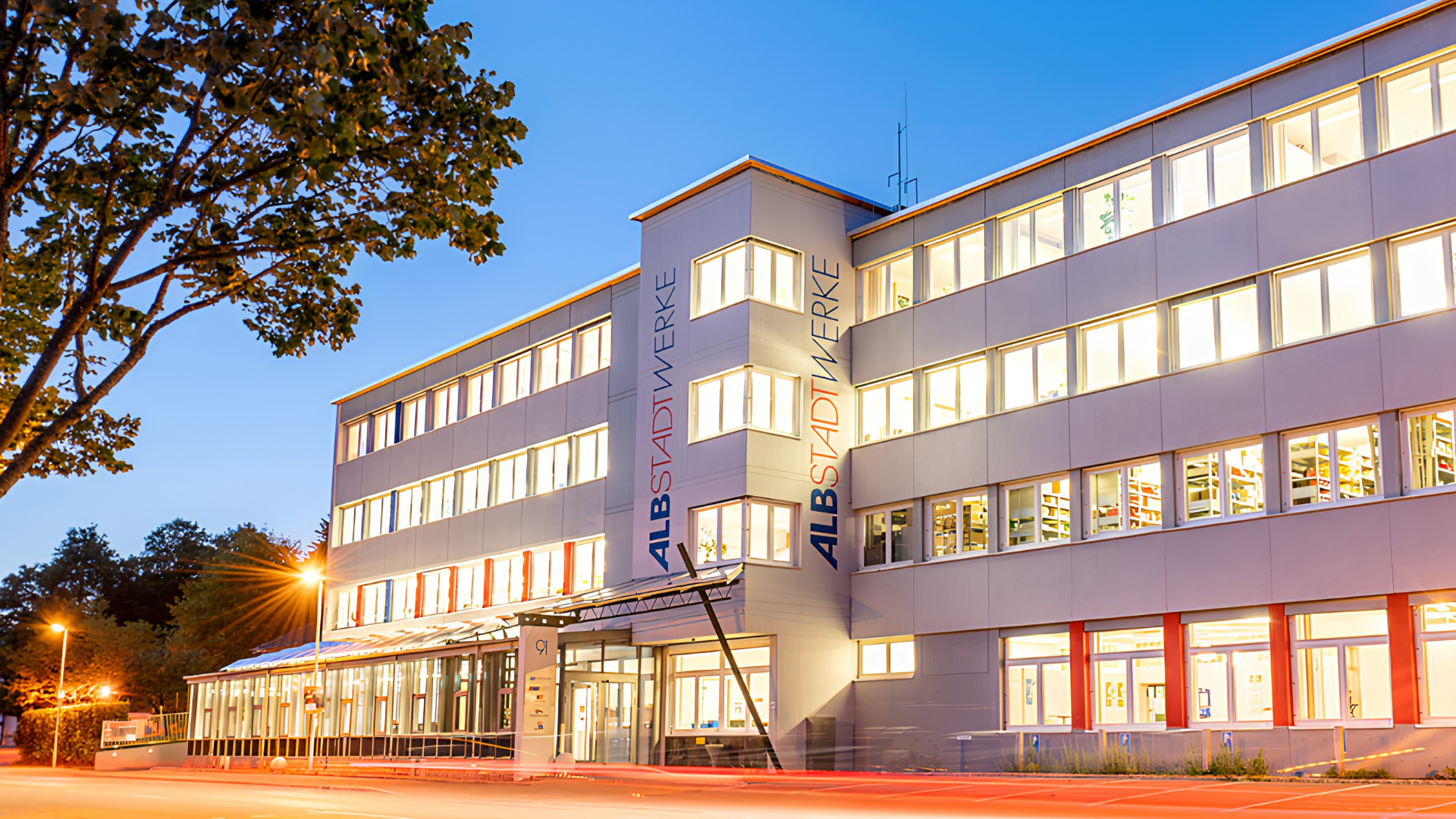
Albstadtwerke: Connecting the Field Service Team and the SAP Backend

Albstadtwerke has partnered with proaxia to digitize paper-based service and maintenance processes. SAP Field Service Management—now SAP FSA—and the proaxia Connector integrate mobile processing and status updates with the SAP ECC landscape. Digital checklists and up-to-date status information support collaboration between scheduling, technical operations, and the backend.
INICOM: Schedule Service Appointments Digitally

With proaxia CSS Lite, INICOM is expanding its existing field service solution to include digital appointment scheduling. Customers can confirm or reschedule appointments on their own; this feedback is incorporated into the scheduling process. This reduces routine phone calls for scheduling and frees up more time to address more complex customer issues.

Miba: Self-Service for Internal Maintenance

Miba uses a customized version of the proaxia Customer Service Suite to digitally capture maintenance requests and improve collaboration between employees and maintenance teams. The SAP BTP-based portal is integrated with SAP Field Service Management and the backend processes. It replaces fragmented requests with structured, traceable workflows.  

Knowledge to Help You Further Develop Your Service Organization

The Ten Biggest Challenges in Field Service Management

A shortage of skilled workers, cost pressures, and rising customer expectations call for clear priorities. Our guide highlights key areas for action and offers insights on how you can work together to further improve productivity, the customer experience, and the digital transformation of your service organization.

Field Service Management Software: More Than Just Digital Scheduling

What tasks does modern field service management software handle? Sebastian Behne explains how scheduling, technicians, customers, and enterprise systems work together—and why successful service optimization takes into account the entire process, right through to billing. proaxia consulting group

Maintenance Software: Managing Assets and Processes in Context

Modern maintenance goes beyond scheduled maintenance. Sebastian Behne’s article examines mobile workflows, relevant metrics, and the equipment lifecycle. He also explores the role that AI and predictive approaches can play in the further development of maintenance management.

Frequently Asked Questions About the Seamless Service Suite

The Seamless Service Suite integrates multiple SAP and proaxia solutions into a seamless service process. The Customer Service Suite is a component of this suite: It provides the customer portal and the associated self-service modules. In this way, it complements the work performed by customer service, field service, and the SAP backend.

The initial implementation will be tailored to your needs. For example, you can start by digitizing customer inquiries, introducing a customer portal, or improving mobile service processing. Together, we’ll determine which components are necessary and how subsequent steps fit into the overall architecture.

Integration is tailored to your backend systems and business processes. Standard SAP integrations are available for this purpose, as well as the proaxia FSA Cloud Connector—which enables the supported connection between SAP FSA and SAP ERP. We coordinate order models, data transfers, confirmations, and follow-up processes.
For supported SAP ECC scenarios, PCC provides an integration path to SAP FSA. A full S/4HANA migration is therefore not required for every implementation. The steps that make sense depend on your existing processes and your target architecture.
Yes. With the Service Appointment Management feature of the proaxia Customer Service Suite, customers can schedule, adjust, or reschedule appointments digitally. Appointment scheduling is integrated with the scheduling module in SAP FSA. Available options and rules are configured for your service process.

Yes. FSA Mobile supports mobile order processing even without a continuous Internet connection. Once the connection is restored, the data is synchronized. We take into account which information, forms, and feedback are required for your process while working offline during configuration and testing.

In the Time and Material Journal, the back office reviews the entries and either approves them, rejects them, or requests corrections. Technicians revise the returned entries and resubmit them. This ensures that the review and approval process remains traceable.

Yes, relevant modules can also be combined for internal service and maintenance processes. The Miba project, for example, features a self-service portal for employees that connects requests with maintenance teams and backend processes. SAP FSA also supports the planning and mobile execution of asset-related work.

The starting point is a clear need for improvement: for example, less manual scheduling, faster case processing, or better feedback from the field. Together, we review the process, define the initial scope of implementation, and select the necessary solution components. A starter package can provide a well-defined starting point for this.

Turn individual services into a seamless customer experience

0
Continents
0+
Years of experience
0+
Business Customers
0K
Happy users

Where is your service team losing time today—when handling customer inquiries, scheduling assignments, or processing invoices?

Discuss your current situation with us. Together, we’ll define how the proaxia Seamless Service Suite connects your teams, customers, and SAP processes—and determine which next step will deliver the greatest value for your service business.


Stay up to date!

References

Read about our past projects and what our customers say about us.

Expert blog

Learn about current topics in Service & Asset Management, as well as Automotive & Heavy Equipment, from our blog experts.

Events

Get to know us in person and join one of our events or webinars.

Newsletter

Seamless Service Insights (German)

Automotive & Heavy Equipment Navigator (English)